Dual Rendering
Native Controls or Custom Canvas
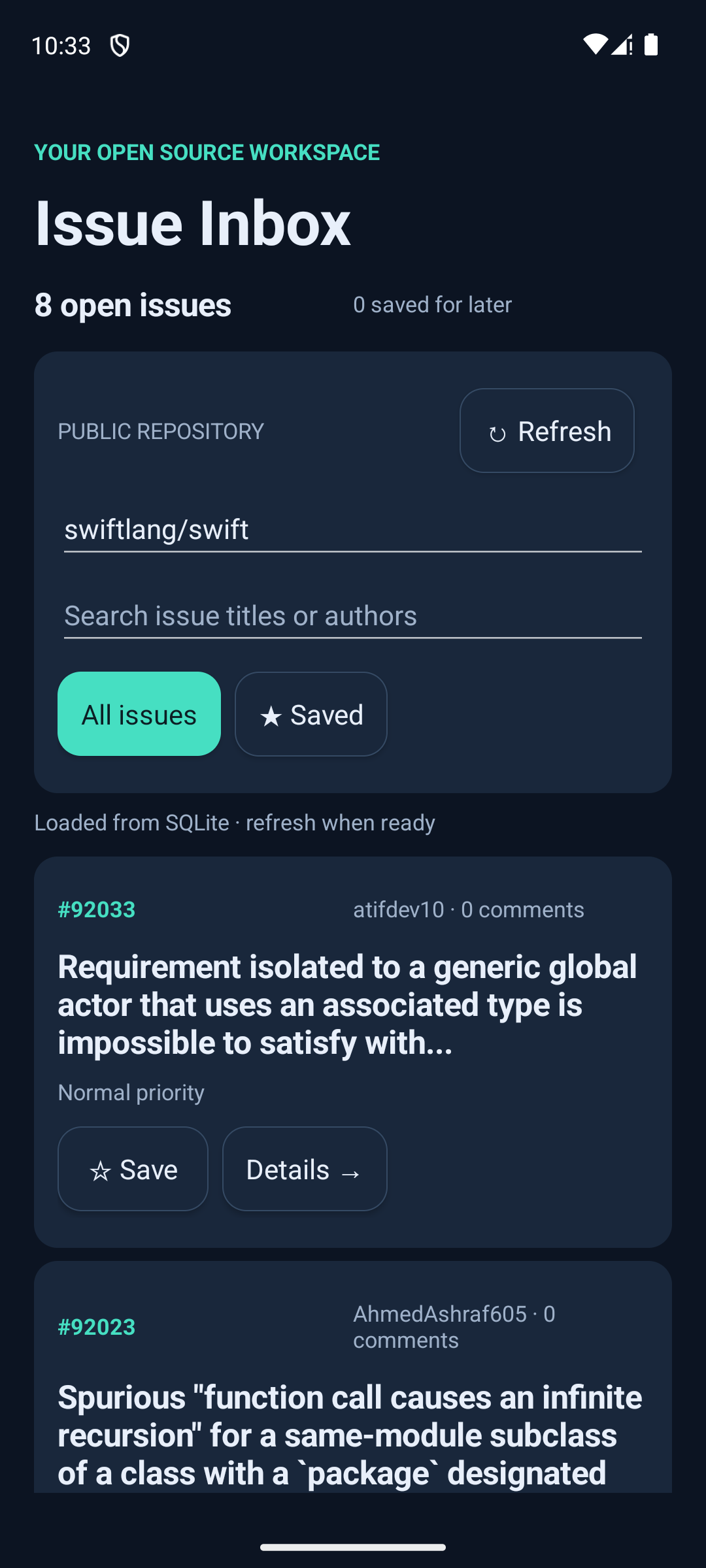
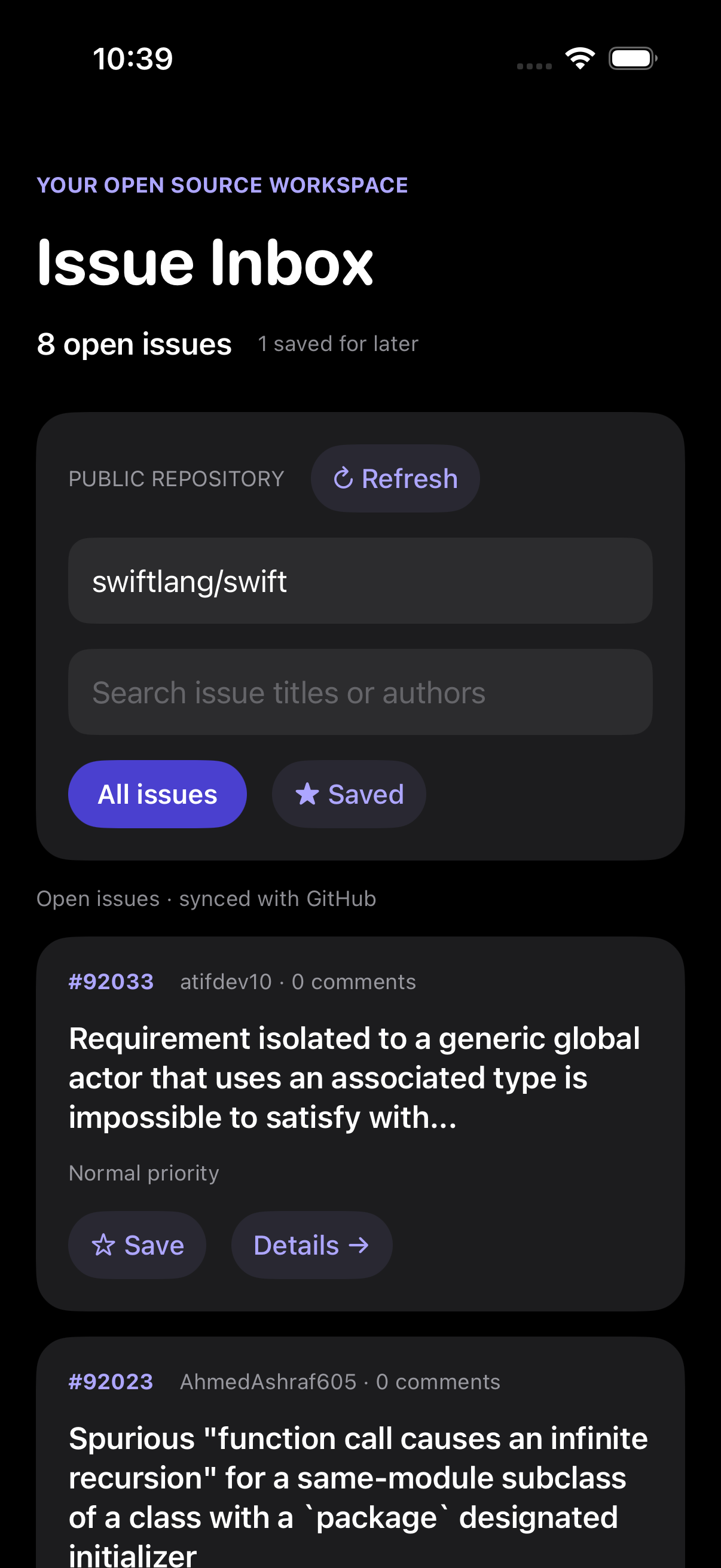
Render genuine SwiftUI, WinUI, and Android views when you want OS fidelity, or switch to a Custom Canvas to draw anything pixel-identical everywhere.
Genuine SwiftUI, WinUI, and Android controls or a Custom Canvas — draw anything you want from one ahead-of-time codebase.
Features
One ahead-of-time compiled codebase targeting macOS, Windows, iOS, Android, and Web — without a JavaScript engine or desktop JVM.
Render genuine SwiftUI, WinUI, and Android views when you want OS fidelity, or switch to a Custom Canvas to draw anything pixel-identical everywhere.
UI machines emit a typed Accessible tree for screen readers (AccessKit) and AI agents — tested headlessly by label in milliseconds with real pointer events.
Compiler-derived Signal<T> and Keyed::region updates refresh only what changed — no hooks, no virtual DOM.
Code in Python, TypeScript, ML, or Default Osprey today — with Dart coming soon and Kotlin considered.
Fixed-width ViewRow (152 B) and SceneShape (88 B) rows cross lease-checked memory defined by native.td.
Not Either / Or
Flutter and Compose Multiplatform lock you into canvas-drawn widget copies. React Native wraps platform views behind a JavaScript engine. Osprey Native runs both rendering models over the exact same AOT library and zero-serialization shared-memory frame.
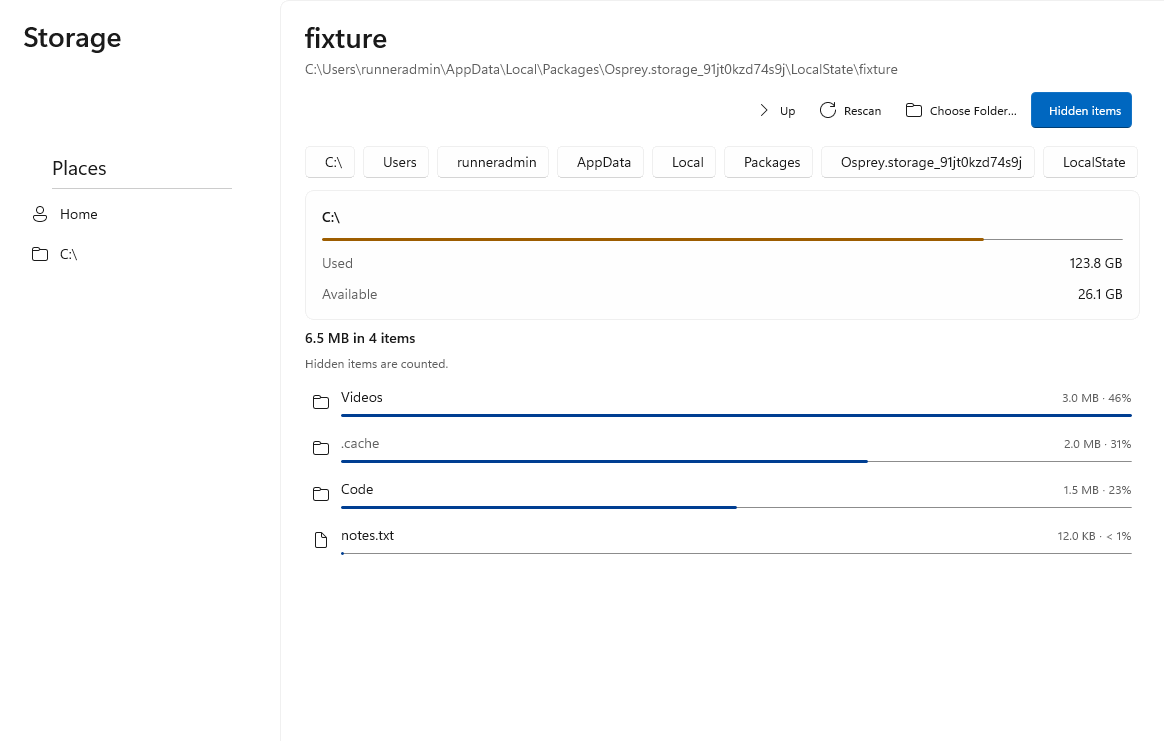
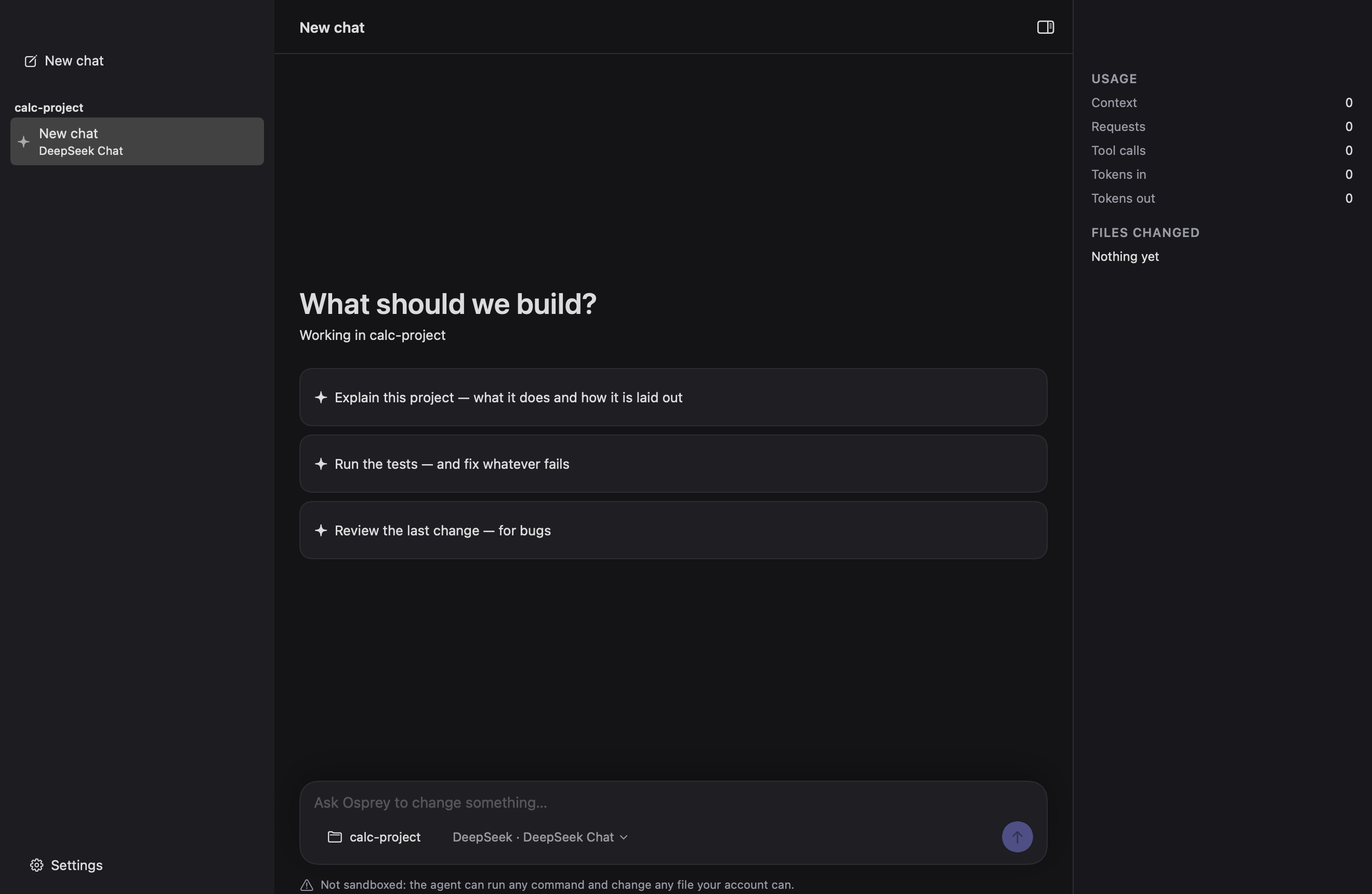
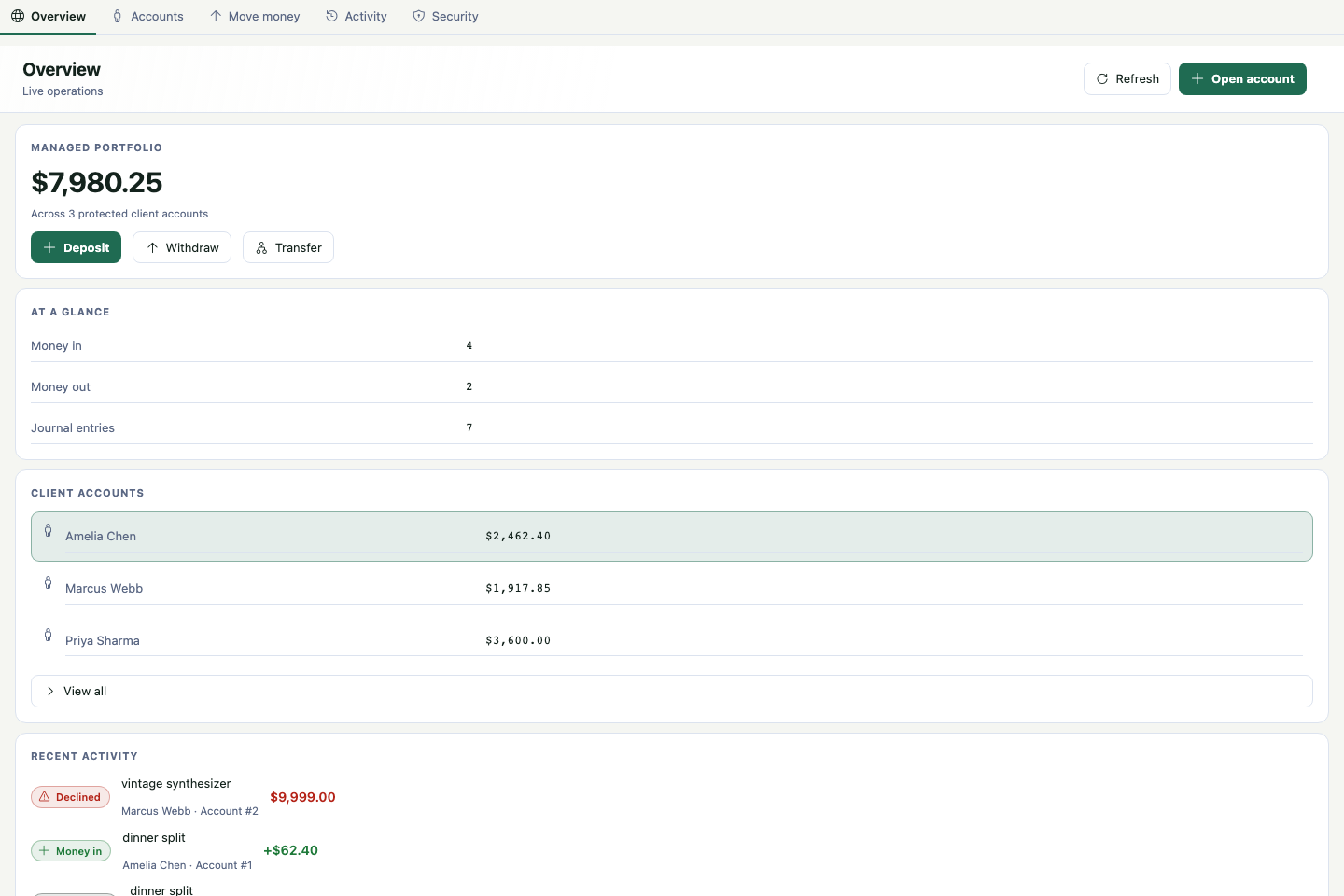
wasm32, reading fixed-width shared rows in the browser.
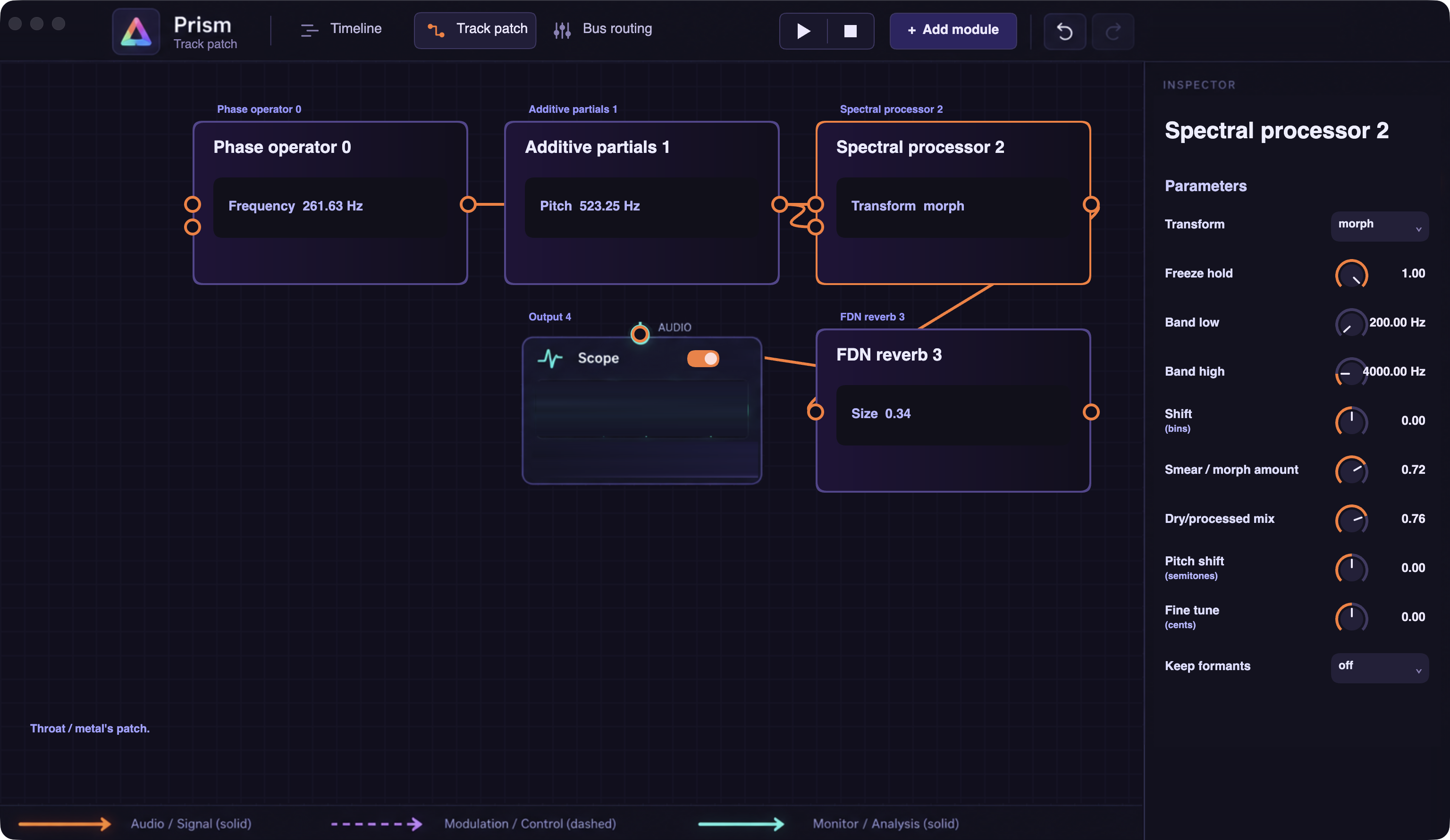
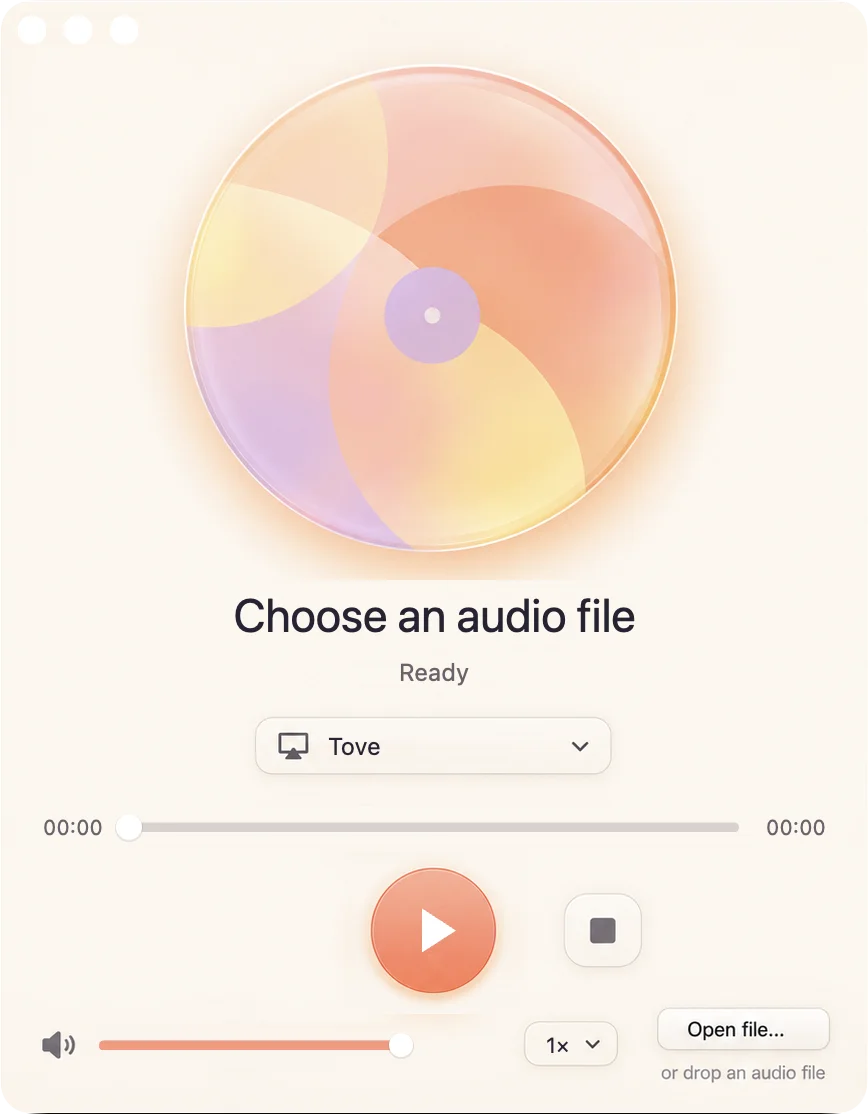
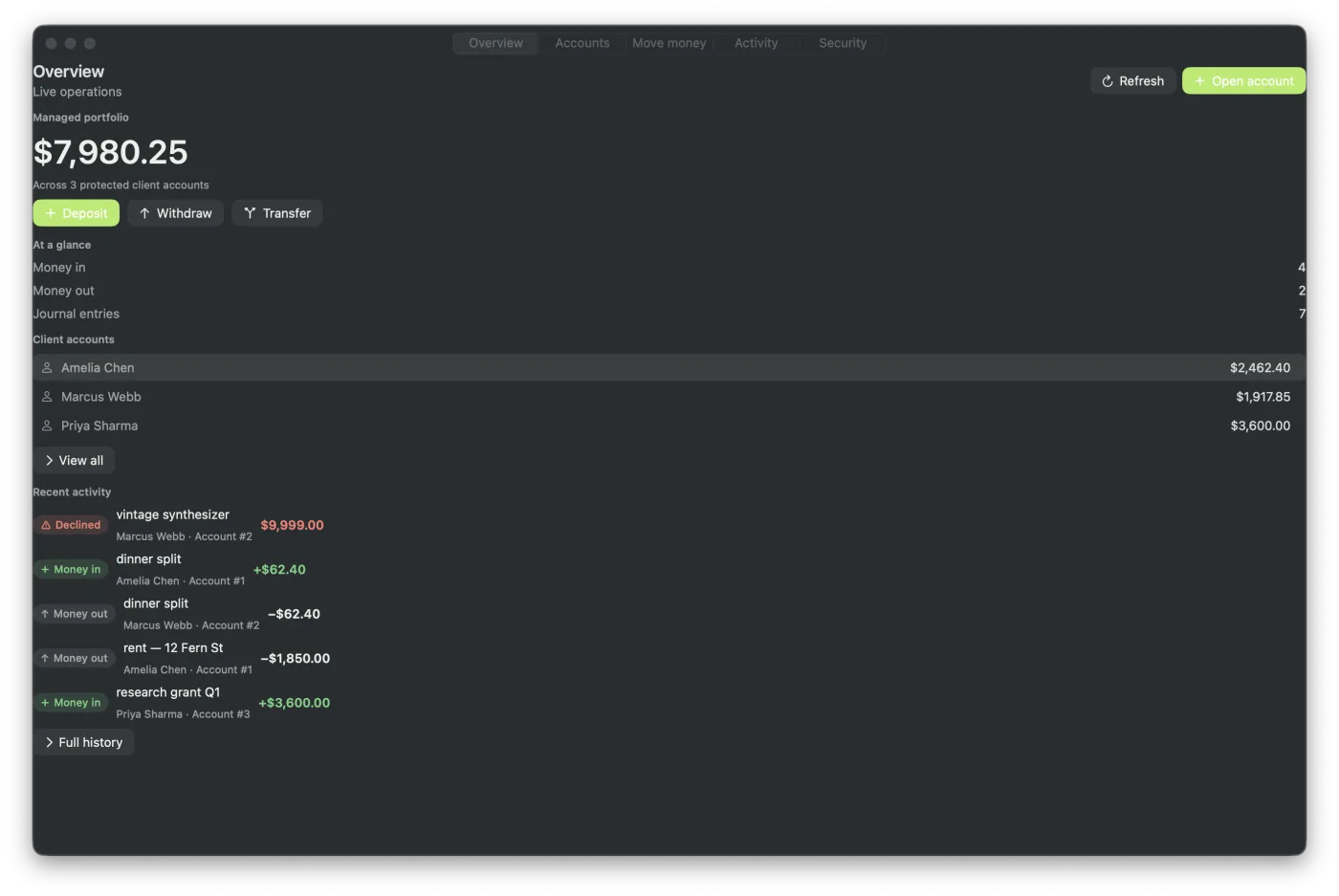
Real Apps in Motion
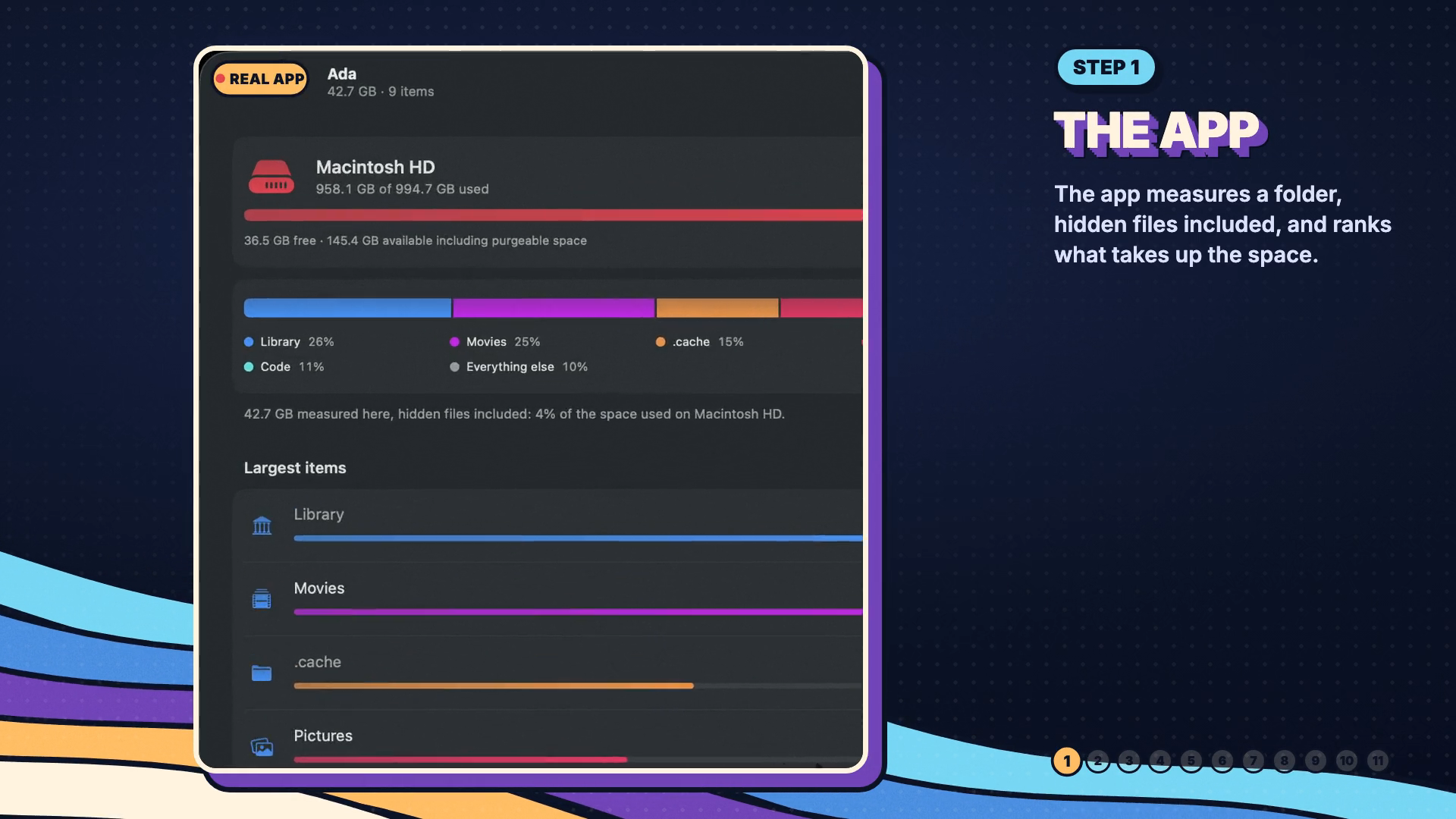
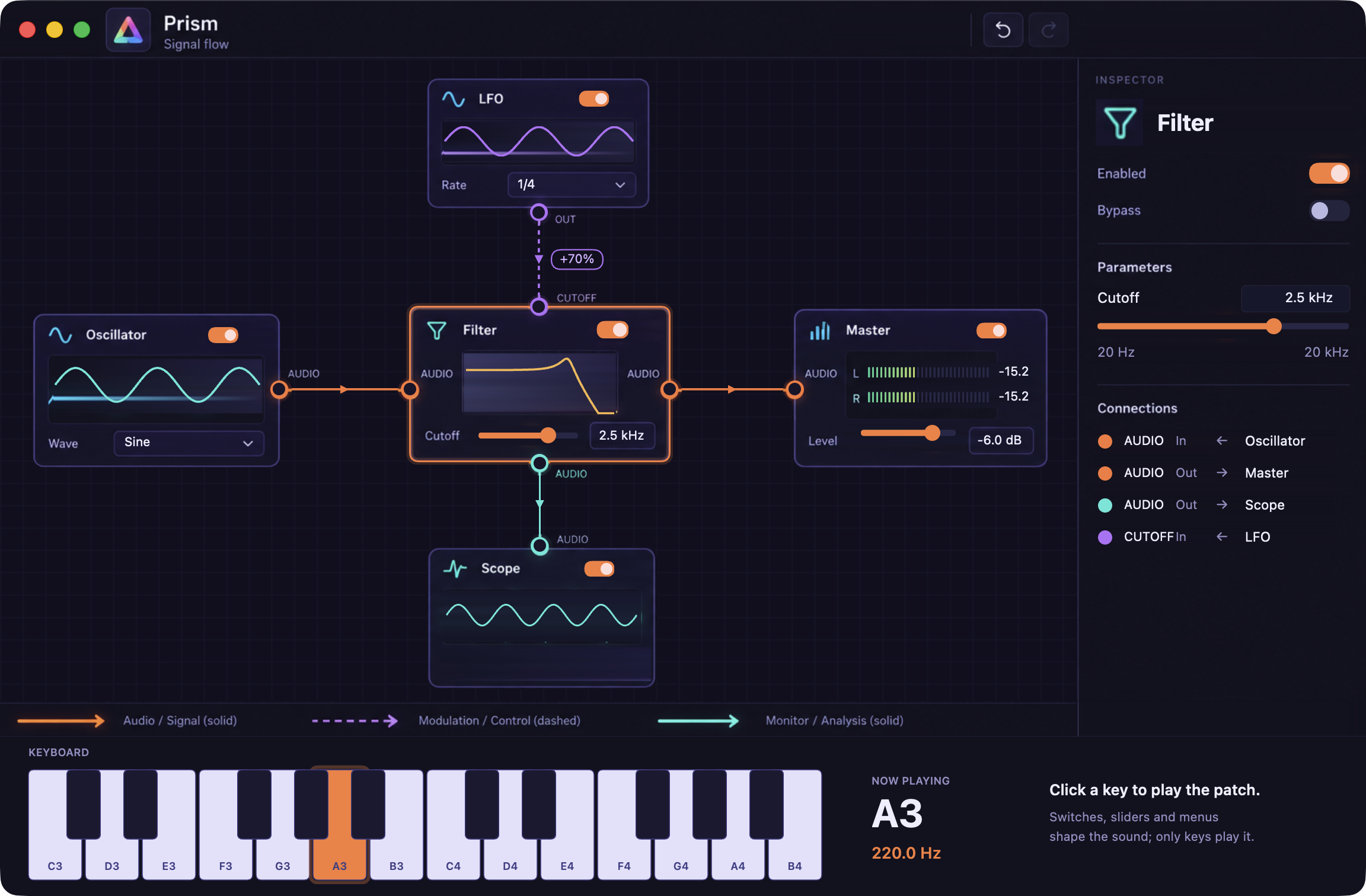
Watch real desktop apps built with @osprey/native: GPU-accelerated audio synthesis on Custom Canvas and a native
SwiftUI coding agent on macOS.
@osprey/synth; timeline, mix bus, and patches drawn on our Custom Canvas.
Write in Your Syntax · Compiler-Derived Signals
Reactivity is built into the compiler: Signal<T> and Keyed::region derive every view's
dependencies automatically — no hooks, no dependency arrays, no virtual DOM diffing.
.osp), ML (.ospml), Python flavor, and TypeScript flavor share one Hindley-Milner type checker and LLVM AOT compiler.ViewRow (152 B) and SceneShape (88 B) rows into lease-checked shared memory defined by native.td.type Action = SelectAccount(int) | Refresh
fn accountRegion(frames, changed) =
Keyed::region(frames, "accounts", changed, || => {
let accounts = perform Signal<Accounts>.read()
ui::Rows(rowsItems = mapList(accounts.items, renderRow))
})
fn update(ctx, store, msg) = match msg {
SelectAccount(id) => Step::store(store(selected = id))
Refresh => Step::ask(store, Capability::fetchAccounts)
}type Action = SelectAccount int | Refresh
accountRegion (frames, changed) =
Keyed::region (frames, "accounts", changed, \() =>
accounts = perform Signal<Accounts>.read ()
ui::Rows (rowsItems = mapList (accounts.items, renderRow)))
update (ctx, store, msg) = match msg
SelectAccount id => Step::store (store(selected = id))
Refresh => Step::ask (store, Capability::fetchAccounts)# osprey: flavor=python
def account_region(frames, changed):
def render():
accounts = perform(Signal[Accounts].read())
return ui.Rows(rowsItems=mapList(accounts.items, render_row))
return Keyed.region(frames, "accounts", changed, render)
def update(ctx, store, msg):
match msg:
case SelectAccount(id):
return Step.store(store(selected=id))
case Refresh():
return Step.ask(store, Capability.fetchAccounts)// osprey: flavor=typescript
function accountRegion(frames, changed) {
return Keyed.region(frames, "accounts", changed, () => {
const accounts = perform Signal<Accounts>.read();
return ui.Rows({ rowsItems: mapList(accounts.items, renderRow) });
});
}
function update(ctx, store, msg) {
if (msg.kind == "Refresh") return Step.ask(store, Capability.fetchAccounts);
return Step.store(store({ selected: msg.id }));
}Built for Flutter teams who want familiar Dart syntax with Osprey's type inference, algebraic effects, and choice of real native controls or Custom Canvas.
Under evaluation for Kotlin & CMP developers who want genuine SwiftUI/WinUI controls without JVM desktop overhead.
Accessibilitymaxxing & @osprey/uitest
Computer-use agents squint at screenshots and guess coordinates. Osprey Native emits a live, typed
Accessible tree straight from UI machines so screen readers (AccessKit), headless
@osprey/uitest journeys, and AI agents all operate controls by name.
@osprey/uitest fires real pointer press/release events at each control's bounds and verifies the actual text drawn on screen.tap "Open file…"
picked "/music/Sunroom.mp3"
expect (letters "Sunroom", true)
tap "Play"
tapAt ("Volume", 0.5)
expect (valueOf "Volume", 0.5)
Current accessibility scope: The GPU desktop host maps the UI-machine tree to AccessKit (NSAccessibility on macOS,
UI Automation on Windows, AT-SPI on Linux) today. Mapping the same tree on WinUI, SwiftUI, and VS Code hosts, emitting it
from direct view code, and shipping an external MCP server over semantics/act remain active delivery work.
Framework Comparison
Every other cross-platform stack forces a bet between canvas-drawn lookalikes and a JavaScript bridge. Osprey Native spans both worlds in one ahead-of-time binary.
Draws its own copies of widgets onto Skia or Impeller. Native platform controls require interop wrappers; CMP runs desktop on the JVM.
Renders real mobile platform views, but ships a JavaScript engine (Hermes) and leaves custom GPU canvases to native modules.
Choose genuine SwiftUI, WinUI, and Android views or a Custom Canvas — one AOT codebase, signals, and enforced accessibility.
| Capability | Osprey Native | Flutter | React Native | Compose Multiplatform (CMP) |
|---|---|---|---|---|
| Rendering model | ✓ Both Modes Real native controls (SwiftUI, WinUI, Android) OR Custom Canvas (draw anything, identical everywhere) |
Impeller / Skia canvas only (framework-drawn widget copies) | Native platform views only (custom GPU scenes need native modules) | Skia canvas for shared UI (native views require platform interop wrappers) |
| Runtime & compilation | ✓ AOT Native LLVM machine code everywhere + WebAssembly on web; no JS engine, no JVM |
Dart AOT on mobile & desktop, JS/Wasm on web | JavaScript engine (Hermes) + JSI / native bridge | Kotlin/Native on iOS, JVM on desktop & Android, Wasm/JS on web |
| Reactivity | ✓ Compiler Signals Built-in Signal<T> & keyed regions from the ground up |
Widget tree rebuilds + third-party state packages | React hooks + virtual DOM reconciliation | Compose Snapshot state + compiler recomposition |
| Language & syntax | ✓ Multi-Flavor Default Osprey, ML, Python, TypeScript flavors (Dart coming soon; Kotlin considered) |
Dart only | JavaScript / TypeScript only | Kotlin only |
| Desktop & Windows | ✓ First-Class OS Genuine SwiftUI (macOS), genuine WinUI MSIX (Windows), or Custom Canvas |
Custom canvas inside Win32 / macOS shell | Community-maintained Windows & macOS forks | Skia drawn inside a JVM / Swing desktop window |
| Accessibility & AI agents | ✓ Enforced Tree Typed Accessible tree (semantics / act) + AccessKit; tested by label on every build |
Opt-in Semantics widgets |
Opt-in accessibility props per view | Opt-in semantics modifiers per composable |
| Automated UI testing | ✓ Headless & Fast@osprey/uitest by accessible label + algebraic effect mocks (no window/simulator) |
Widget tests + integration_test |
Jest + Detox / Appium | Compose UI test rules (JVM / platform runner) |
CMP paints shared UI onto Skia and hosts desktop in a JVM/Swing shell. Osprey Native renders real SwiftUI on macOS/iOS and real WinUI on Windows — or switches to Custom Canvas whenever you want identical pixels.
Every native target compiles AOT to machine code with a zero-serialization shared-memory ABI. Teams write in Default Osprey, ML, Python, or TypeScript flavor today, with Dart flavor coming soon.
UI machines make roles and live labels structural instead of optional modifiers, so screen readers, headless
@osprey/uitest runs, and AI agents share one verified interaction surface.
Engineering Blog
Flutter and Compose Multiplatform lock you into canvas widgets; React Native locks you into a JS engine. Osprey Native runs both real platform controls and a Custom Canvas over one shared-memory bridge.
Computer-use agents squint at screenshots and guess coordinates. Osprey Native emits a live, typed accessibility tree from UI machines so screen readers, @osprey/uitest, and AI agents operate controls by name.
No dependency arrays, no virtual DOM diffing, and no JSON bridge: compiler-derived signals refresh only changed regions and publish fixed-width 152-byte rows in shared memory.
Osprey Native is actively evolving. Try it on your projects, validate it against your workload, and assess the risks before relying on it in production. Common host conformance across all hosts remains active delivery work (plan 0037).